
Leith Architects
A Brisbane architecture practice with a portfolio that needed to travel.
Leith Architects work across multi-residential, commercial and community projects through Brisbane, regional Queensland and northern New South Wales. Directors Maya Leith and Namitha Shenoy bring over forty years of combined experience, and the practice is the kind that developers come back to rather than shop around for.
The work was never the problem. Getting it in front of the right people was.
The brief
A capability statement has one job: to sit in front of a developer, a council, or a project partner and make the case for the practice before anyone gets in a room. That means the document has to hold up next to the architecture it's presenting. Anything less and the gap between the work and the presentation does the arguing for you.
Leith needed two editions, one weighted to commercial work and one built for print, both drawn from the same system so they read as one practice rather than two documents.
What I built
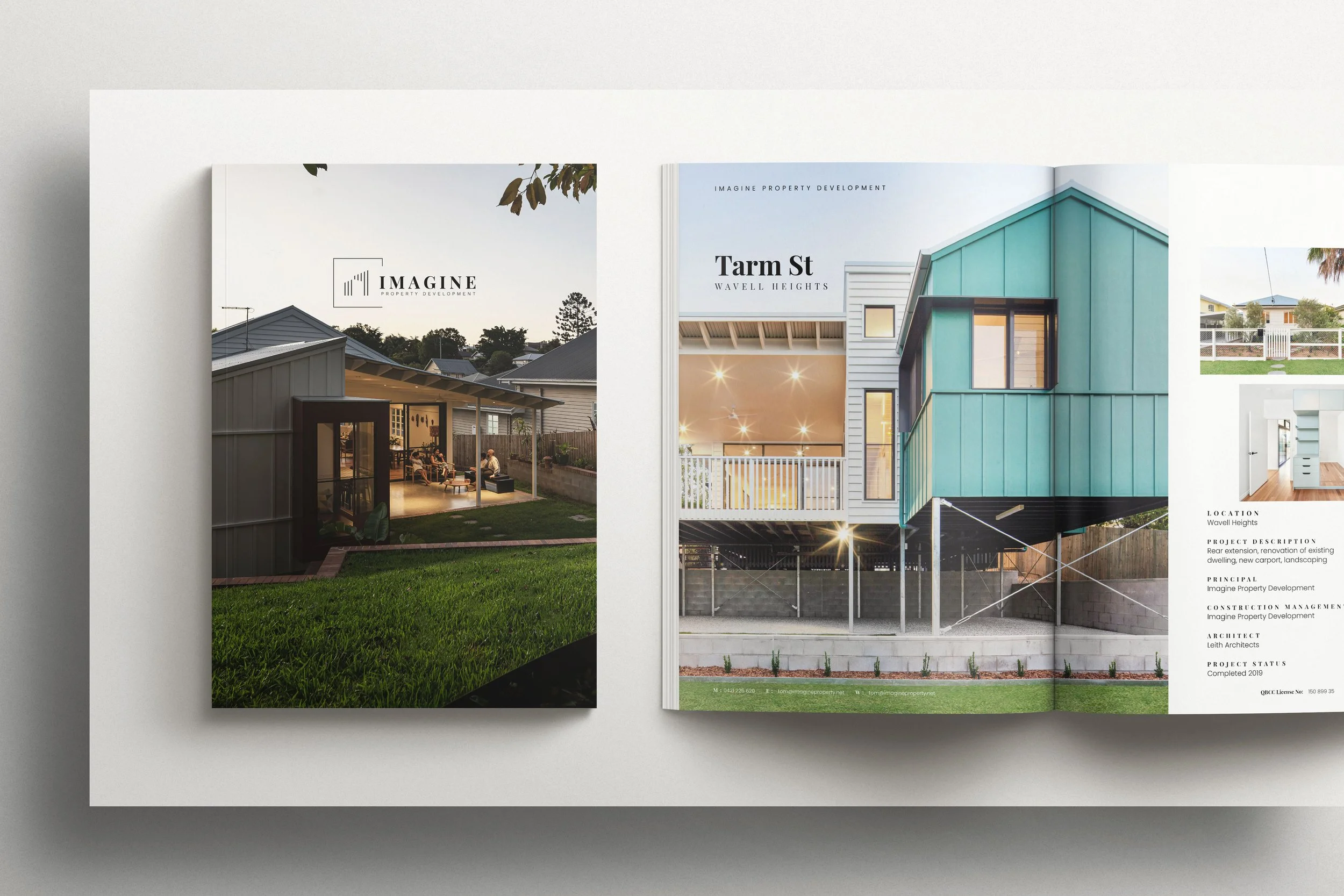
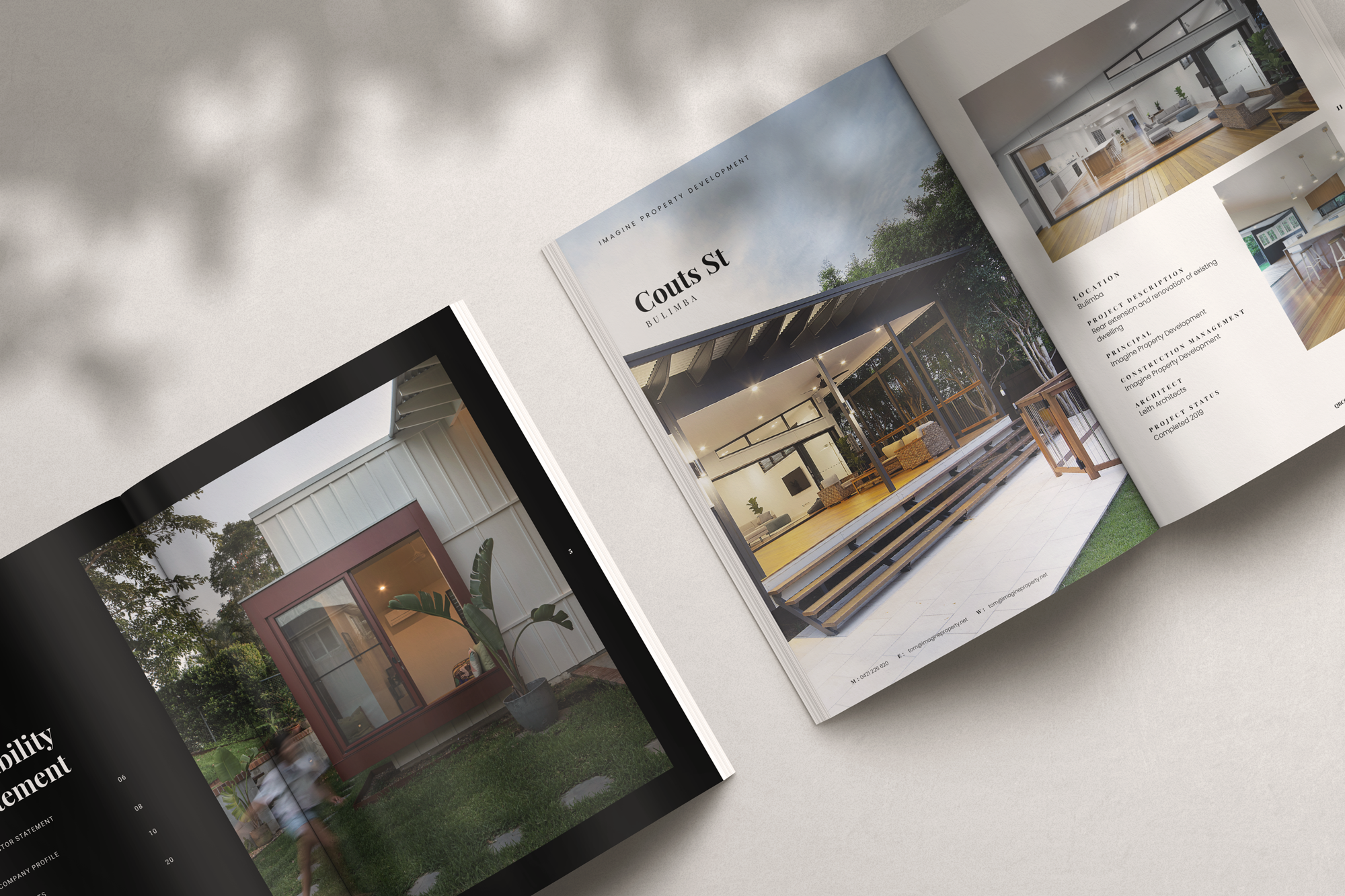
A 24 page document across five sections: executive summary, studio profile, methodology, projects and testimonials. A typographic system with enough restraint to let the renders carry the pages. A consistent project template so every scheme presents the same four facts (location, description, design services provided, project status) and a reader can scan eleven projects without relearning the layout each time.
The project pages run full bleed where the imagery earns it and pull right back where it doesn't. Mirada, Verde, Carina Quarters, Club Bargara and the Bargara Beach Residences each get room to breathe.
Why it matters
Architecture practices lose work to studios doing weaker buildings but better documents. That's the gap. Leith's capability statement now presents at the level the practice actually operates at, which means the conversation starts where it should rather than three steps back.
What the documents do now
A capability statement is not a brochure. It's a decision-making document that an architect or homeowner reads before they meet you. By the time you walk into a meeting with it already sent, half the conversation has already happened without you. That means the document itself needs to establish trust, professionalism, and taste — before you speak.
The same is true of a client budget document. By the time a client receives it, they're already deciding whether this feels like the start of a real partnership. Design does that work before the numbers on the page are read.
Both documents now do that job for Tom. They pre-qualify the right clients, they set the tone for how the work will feel, and they hold their own in the company Tom's builds actually belong in.
Why this matters for other design-led residential builders
Most Australian builders don't have collateral at this level. The default for the industry is Word documents, PowerPoint decks, and "we'll send through some info" emails with attachments that don't quite match.
For architectural residential builders working at Tom's level, that default is actively costing them the clients they want. Architects remember the builder whose documents felt like the work. Homeowners making a multi-year commitment notice every detail of every document they receive. The clients who have budget are the clients who notice.
If you're a builder whose work deserves better documents than you currently have, this is exactly what I do.